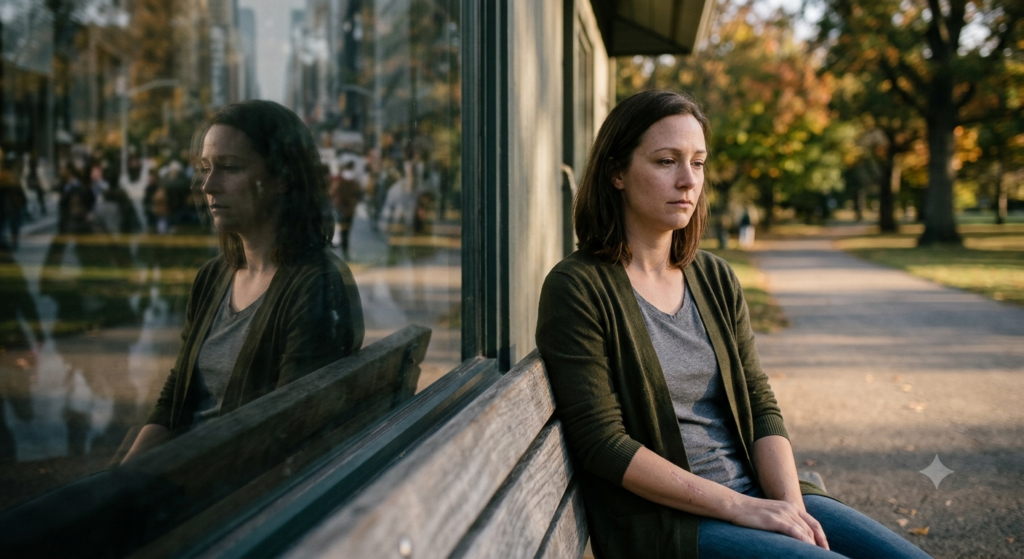
Post-traumatic stress disorder (PTSD) symptoms can appear months or even years after a traumatic experience, sometimes becoming noticeable when a new stressor or reminder brings earlier distress to the surface. Some people recognize subtle symptoms only later, while others experience a more noticeable change after a long period of feeling relatively well. Delayed symptoms do not mean that someone is weak or that their experience was not serious. Understanding why these changes happen, recognizing the warning signs, and knowing when to seek professional help can make it easier to take the next step toward recovery.
If you’re wondering whether an earlier experience can still affect your well-being today, understanding how trauma therapy can help years after a traumatic experience may help you explore the support available.
Can PTSD Symptoms Really Appear Years After Trauma?
Yes. PTSD symptoms can emerge or become significantly more noticeable long after a traumatic event. According to the National Center for PTSD, symptoms may begin soon after trauma or appear months or years later. They can also fluctuate over time, becoming more intense during stressful periods or when reminders of the experience arise.
Clinicians sometimes use the term PTSD with delayed expression when a person does not meet the full diagnostic criteria for PTSD until at least six months after the traumatic event. This does not necessarily mean that every symptom was completely absent before that point. Some people experience milder or intermittent symptoms that become more disruptive over time.
It is also important to distinguish PTSD from other possible explanations for distress. Anxiety, depression, sleep disorders, grief, and other health concerns can produce overlapping symptoms. A qualified mental health professional can help determine what may be happening and whether PTSD is an appropriate diagnosis.
Why Can PTSD Symptoms Appear Months or Years Later?
There is no single explanation for delayed PTSD symptoms. Trauma responses vary from person to person, and researchers continue to investigate why some people develop more noticeable symptoms later. Several factors may help explain the pattern.
1. Earlier Symptoms May Have Been Subtle or Easy to Overlook
Not everyone immediately recognizes a trauma response. Someone may experience disrupted sleep, irritability, emotional numbness, increased anxiety, or a tendency to avoid certain situations without connecting these changes to an earlier event.
A person might continue working, caring for family, and meeting daily responsibilities while privately struggling with distress. Because these reactions may seem manageable at first, the person may not seek help.
Over time, symptoms may become more frequent, intense, or disruptive. Looking back, someone may recognize that changes in mood, relationships, or sleep began much earlier than they initially realized.
2. New Stressors Can Make Earlier Trauma Feel More Difficult to Manage
A major life change can place additional demands on someone who has previously experienced trauma. Relationship difficulties, bereavement, health concerns, financial pressure, or other stressful circumstances may coincide with an increase in trauma-related distress.
These stressors do not automatically cause PTSD. However, they may contribute to worsening symptoms or make existing coping strategies less effective.
For example, someone who has experienced a serious accident may have managed reasonably well for years. Following another frightening experience, they might notice increased anxiety while driving, difficulty sleeping, or unwanted memories of the earlier accident.
3. Reminders Can Bring Back Distressing Memories and Reactions
Trauma reminders, sometimes called triggers, are experiences that remind someone of a past event. They can include sounds, smells, locations, physical sensations, particular dates, news stories, or interactions with other people.
A reminder may bring back a memory, a strong emotional reaction, or a physical sense of danger even when the person is currently safe.
For example, a survivor of a serious car accident might feel overwhelmed by the sound of screeching brakes years later. A person who experienced interpersonal violence may feel unusually anxious in a situation that resembles an earlier threatening encounter.
Such reactions do not establish a PTSD diagnosis by themselves. However, recurring distress linked to a past traumatic experience may be a reason to seek professional assessment.
4. Avoidance Can Delay Recognition of the Problem
Avoidance is a common PTSD symptom. A person may steer clear of places, conversations, activities, or memories associated with the traumatic event.
Avoidance can sometimes reduce distress in the short term, but it may also make it harder to recognize how much the trauma continues to affect daily life. Someone might change their routines, withdraw from relationships, or avoid particular situations without understanding the connection.
As life circumstances change, avoiding reminders may become more difficult. The person may then notice distress that was previously less visible or easier to manage.
5. A Sense of Safety May Change Over Time
After trauma, people can differ in how they experience safety, trust, and control. Some may feel relatively stable for a period before circumstances challenge that sense of security.
A new relationship, a major transition, or an experience that resembles the earlier trauma may bring difficult emotions into focus. This can lead someone to reconsider an event they thought they had moved beyond.
There is no universal timeline for this process. A delayed reaction is not proof that the person has been suppressing memories or that the brain has deliberately hidden the trauma.
6. Symptoms May Build Gradually Until They Become More Disruptive
In some cases, PTSD develops through a gradual increase in symptoms rather than a sudden change. Early difficulties may remain below the threshold for a clinical diagnosis before becoming more persistent or impairing.
Research on delayed PTSD suggests that this gradual pattern is common, although it does not explain every case. A smaller number of people may experience a more noticeable delay before symptoms become apparent.
For this reason, it is useful to consider the full history of a person’s emotional, physical, and behavioral changes rather than looking only at when they first sought treatment.
What Are the Signs of Delayed PTSD?
PTSD symptoms are commonly grouped into four categories. Recognizing these patterns can help you decide whether a professional assessment may be useful.
Intrusive Memories and Re-Experiencing
These symptoms involve unwanted reminders of the traumatic event that cause distress. They may include:
- Recurrent, upsetting memories that feel difficult to control.
- Nightmares related to the experience.
- Flashbacks or moments when the event feels as though it is happening again.
- Strong emotional or physical reactions to reminders of the trauma.
Avoidance
Avoidance may involve deliberately or automatically staying away from reminders, such as:
- Places, people, or activities connected to the event.
- Conversations about what happened.
- Thoughts or feelings that bring the experience to mind.
Avoidance can gradually affect work, relationships, travel, and everyday activities.
Negative Changes in Mood and Thinking
A person may experience:
- Persistent guilt, shame, fear, or anger.
- Negative beliefs about themselves or other people.
- Difficulty feeling positive emotions.
- Emotional detachment or withdrawal.
- Reduced interest in previously meaningful activities.
- Difficulty remembering important parts of the traumatic event.
Changes in Arousal and Reactivity
These symptoms affect how someone responds to their surroundings. They may include:
- Feeling constantly on guard.
- Being easily startled.
- Irritability or angry outbursts.
- Concentration difficulties.
- Sleep problems.
- Risky or self-destructive behavior.
Having one or more of these symptoms does not automatically mean you have PTSD. A clinician considers the nature of the traumatic exposure, symptom patterns, duration, severity, and effects on daily functioning before making a diagnosis.
Can PTSD Symptoms Get Worse After Years of Feeling Fine?
Yes, symptoms can fluctuate over time. Someone may experience periods when distress is manageable, followed by periods when memories, anxiety, sleep difficulties, or avoidance become more pronounced.
Stressful life events and reminders of trauma can coincide with symptom flare-ups. Anniversaries of traumatic events may also be difficult for some people.
However, a sudden change in emotional well-being should not automatically be attributed to PTSD. Physical health conditions, medication effects, sleep problems, depression, anxiety, and other factors can also contribute to new symptoms.
If symptoms are becoming more frequent or interfering with work, relationships, sleep, or daily responsibilities, consider speaking with a qualified healthcare or mental health professional.
When Should You Seek PTSD Therapy?
You do not need to wait until symptoms become unbearable to seek help. Consider professional assessment if distress related to a past experience is persistent, worsening, or affecting your quality of life.
You may want to explore PTSD therapy if you:
- Experience recurring nightmares, intrusive memories, or flashbacks.
- Avoid situations that are important to your daily life because they remind you of trauma.
- Feel persistently unsafe, on edge, emotionally numb, or disconnected.
- Notice increasing tension or conflict in your relationships.
- Struggle with sleep, concentration, or everyday responsibilities.
- Feel that a past experience continues to affect you despite efforts to move forward.
A mental health professional can help assess your symptoms, consider alternative explanations, and discuss suitable treatment options.
You do not have to be certain that you have PTSD before asking for support. The purpose of an assessment is to understand your experience and identify what may help.
What Does PTSD Treatment Involve?
PTSD treatment is individualized. The most suitable approach depends on your symptoms, history, preferences, treatment goals, and the clinician’s assessment.
Trauma-Focused Psychotherapy
Trauma-focused psychotherapy helps people process traumatic memories and understand how the experience may affect their thoughts, emotions, and behavior.
Evidence-supported treatments for PTSD include Cognitive Processing Therapy (CPT), Prolonged Exposure (PE), and Eye Movement Desensitization and Reprocessing (EMDR). These approaches work in different ways, and a qualified provider can explain which options may be appropriate for you.
EMDR Therapy
EMDR is a structured psychotherapy that helps people process distressing memories while following guided bilateral stimulation, such as side-to-side eye movements or alternating sounds.
To understand this approach in more detail, read about how EMDR therapy can help process traumatic experiences and the role it may play in trauma-focused treatment.
It is one evidence-supported treatment for PTSD. However, it is not the only option, and it is not automatically the best fit for everyone.
Building Coping and Emotional Regulation Skills
Depending on individual needs, treatment may also involve identifying triggers, developing grounding strategies, improving emotional regulation, and addressing difficulties that affect relationships or daily functioning.
These skills may complement a broader treatment plan. They should not be presented as a substitute for a professional assessment when PTSD symptoms are severe or persistent.
How to Choose a PTSD Therapist in Oceanside
If you are considering professional support, choosing a provider is an important decision. Look for a licensed mental health professional with relevant experience treating trauma and a willingness to discuss your goals and treatment options.
Before beginning PTSD counseling, consider asking:
- What experience do you have working with people affected by trauma?
- Which evidence-based PTSD treatments do you offer?
- How will we decide whether a particular approach is suitable for me?
- What happens during an initial appointment?
- How will we review progress and adjust treatment if needed?
- What are the session fees, cancellation policies, and insurance arrangements?
A trustworthy provider should explain their approach clearly, respect your boundaries, and allow you to ask questions. Be cautious of anyone who guarantees a cure or promises that a particular technique will work for every person.
If you are searching for PTSD therapy in Oceanside, consider both the provider’s qualifications and whether their approach feels appropriate for your needs. Convenience matters, but clinical suitability, communication, and a clear treatment plan are also important.
Finding Support for Delayed PTSD Symptoms
Recognizing that a past experience may still affect you can bring up difficult feelings, especially if you believed you had already moved forward. It is possible to seek help without revisiting every detail of the event immediately or having a complete explanation for your symptoms.
Dr. Camille Chapline provides trauma-focused therapy services for adults in Oceanside, California, including support for people dealing with trauma-related concerns. Treatment options and goals can be discussed in the context of an individual’s needs and circumstances.
If you are experiencing persistent distress linked to a past event, consider learning more about PTSD therapy in Oceanside or trauma therapy in Oceanside.
Seeking support is not an admission of weakness. It is a practical step toward understanding your symptoms and finding an appropriate path forward.
FAQ section
These questions can be used as a visible FAQ section near the end of the article. They address closely related search questions without making a diagnosis or promising a particular treatment outcome.
Can PTSD develop 10 or 20 years after trauma?
PTSD symptoms can become noticeable or more disruptive many years after a traumatic experience. Some people have subtle symptoms before they meet the full diagnostic criteria, while others report a more noticeable delay. A mental health professional can help assess the timing and possible causes of current symptoms.
Why am I suddenly remembering trauma from years ago?
Reminders, stressful circumstances, or changes in your sense of safety may bring earlier memories and emotions into focus. Recurring distressing memories can have several explanations, so a professional assessment may help if they are upsetting or interfering with daily life.
Can stress trigger PTSD symptoms years later?
Stress can coincide with an increase in PTSD symptoms or make existing symptoms harder to manage. However, stress alone does not establish PTSD, and other explanations should be considered when symptoms change.
What are the signs of delayed PTSD?
Possible signs include intrusive memories, nightmares, avoidance, persistent negative emotions, hypervigilance, irritability, and sleep difficulties. The symptoms must be assessed in context; experiencing some of them does not automatically mean you have PTSD.
When should I seek therapy for PTSD symptoms?
Consider seeking professional help when trauma-related distress persists, worsens, or interferes with your relationships, work, sleep, or daily activities. You do not need to wait until the symptoms become severe.
What treatment options are available for delayed PTSD symptoms?
Options may include trauma-focused psychotherapies such as EMDR, Cognitive Processing Therapy, and Prolonged Exposure. The most suitable approach depends on an individual’s assessment, preferences, needs, and treatment goals.
How do I find a PTSD therapist in Oceanside?
Look for a licensed mental health professional with relevant trauma treatment experience. Ask about their therapeutic approaches, experience with PTSD, fees, and how treatment goals will be evaluated. Choose someone who respects your concerns and explains the process clearly.
You Don’t Have to Navigate Trauma-Related Symptoms Alone
If memories, anxiety, sleep difficulties, or other concerns connected to a past experience are affecting your life, professional support may help you understand what you are experiencing and explore appropriate treatment options.
Dr. Camille Chapline offers PTSD therapy services for adults in Oceanside, California. Learn more about the available approach and decide whether an initial conversation is the right next step for you.